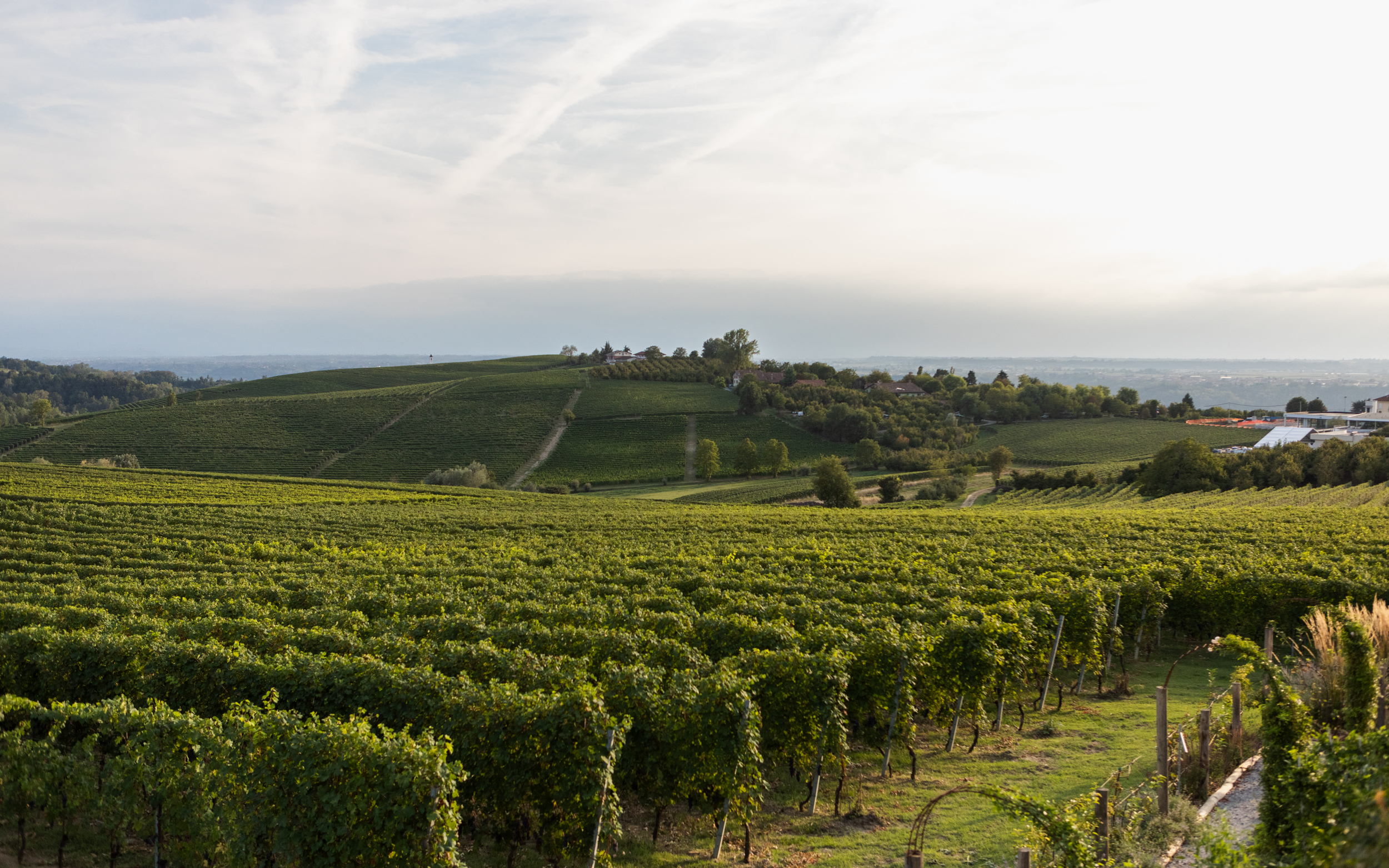
Sooner or later, everyone planning a trip to this area asks the same question: what is the best time to visit the Langhe?
The simplest answer would be autumn. It is the most famous season, the one that follows the grape harvest, brings the White Truffle of Alba and sees the hills change colour, showing off all their splendour with the foliage. But that would also be an incomplete answer.
The Langhe change enormously over the course of the year. Not only in terms of landscape: the rhythm changes, the activities you can do, what ends up on your table and even the way the villages are lived. Returning to the same place in May, August, November or January means almost visiting four different versions of it.
That is why, rather than asking which season is best, it is worth working out which one suits the trip you have in mind.

Spring: when the Langhe start moving again
Between March and May the landscape changes almost every week. The vineyards slowly emerge from their winter rest, the woods turn green again and outdoor activities start up again on the hills.
It is probably one of the most pleasant times for those who love walking. The days get longer without yet having the heat of summer, and it is easy to combine visits to the villages, tastings and walking routes. The area has numerous itineraries linking vineyards, villages and woodland.
Spring also has an advantage that is often underestimated: it lets you see the vineyard at the moment when everything is just beginning. If you are used to the autumn image of the Langhe, you will discover a completely different landscape, made of very light greens, work among the rows and hills that seem brighter.
At Bricco delle Viole the very name recalls this season. Tradition links it to the violets that bloom on the hill, favoured by the exposure and the light that characterise this side of Barolo.
For us it is the ideal time if you are mainly looking for nature, walks, wine and a few days without a rigid schedule.
Between May and June: perhaps the best compromise
Between late spring and early summer, there is a moment that deserves separate consideration.
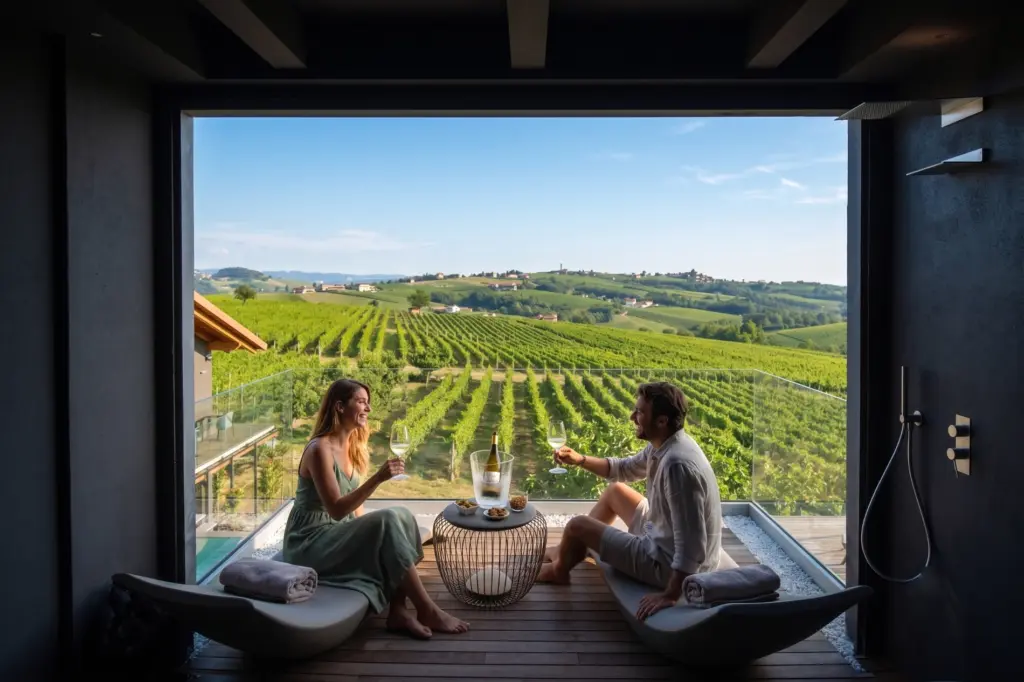
The vines are now fully green, the days are very long and you can spend practically the whole day outdoors. You set off in the morning to visit a village, have a leisurely lunch at one of the many restaurants, osterias or bistros in the area, step into a winery in the afternoon and head back towards Barolo while the sun is still high.
It is also a particularly good season for those who want to explore more than just the Barolo area of the Langa. From here you can easily reach Alba, Barbaresco and the Roero, while heading south the landscape gradually changes, giving way to woods and the higher altitudes of the Alta Langa.
This variety is precisely one of the most interesting aspects of the area: vineyards, hazelnut groves, woods, castles, small historic centres and scenic roads all coexist within a few kilometres.
The Langhe Monferrato Roero Tourist Board lists hiking, cycling, village visits and food and wine experiences among the main ways to discover the area.
If we had to recommend a period to first-time visitors who want to do a bit of everything, May and June would certainly be among our top choices.
Summer: long days and the Langhe to enjoy outdoors
In July and August the pace changes.
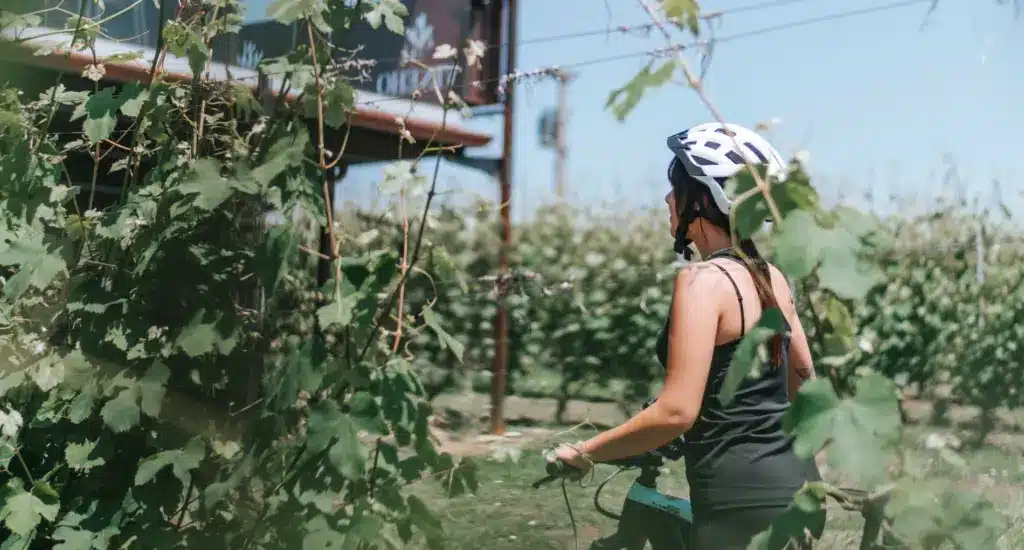
The hours of daylight seem endless and the day can start early, pause during the hottest hours and pick up again in the late afternoon. It is the right time to enjoy terraces, swimming pools, aperitifs, outdoor dinners and scenic roads until evening.
The vineyard, too, goes through one of the most spectacular moments of the year. The rows are full and compact, the bunches grow as they prepare to be harvested, and the landscape takes on that orderly, almost geometric look that many immediately associate with the Langhe.
From Bricco delle Viole you have the great advantage of being in the heart of the Barolo area while being able to change scenery completely in a short time. If a day is particularly hot, for example, you can head up to the Alta Langa, where it is always a few degrees cooler.
Summer is also one of the liveliest seasons for events. Between July and August the villages fill up with concerts, festivals, patron saint celebrations, food festivals (sagre) and events dedicated to wine and local products.
There are long-established events such as Monfortinjazz in Monforte d’Alba, widespread festivals such as Attraverso, which brings music, theatre and talks to numerous villages, as well as evenings at the Castello di Barolo, tastings under the stars and small village festivals where local cuisine is often the star.
Moving towards the Alta Langa, the end of August brings important events such as the National Hazelnut Fair (Fiera Nazionale della Nocciola) in Cortemilia. Our advice is simple: if you come here in summer, always check the events calendar before you leave. You may discover that, a few kilometres from where you are staying, there is a concert in a square, a village dinner or a festival that is worth the detour that evening.

Autumn: the great spectacle of the Langhe
Between October and November the Langhe enter their best-known season.
The vineyard leaves turn from green to yellow, orange and red, often with different colours from one hill to the next. The first mists settle in the valley floor and, on clear days, the Alps sharply reappear on the horizon.
Here at Bricco delle Viole you often find yourself high enough to see the mist below the vineyards, with the rows lit by the sun above it. It is one of the images that best capture autumn in this area.
But this season is not famous only for its landscape.
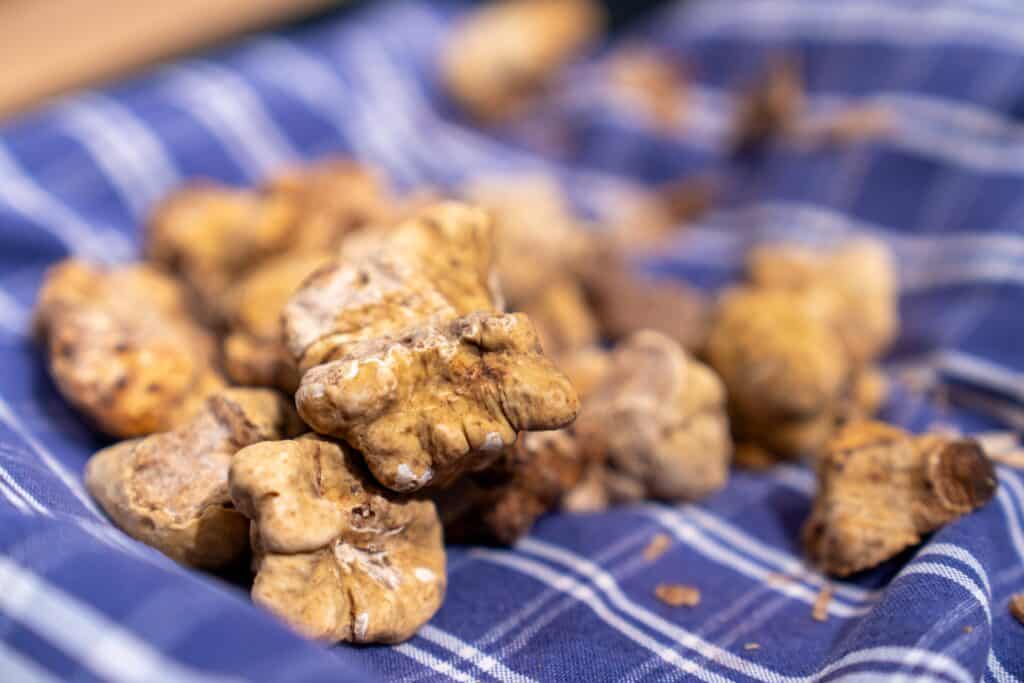
It is also the time of the White Truffle of Alba and of the International Fair that every year turns Alba into one of the great meeting points of Italian food and wine. In 2026, for example, the World Truffle Market takes place every Saturday and Sunday from 10 October to 6 December, accompanied by tastings, talks, cooking shows and events dedicated to local products.
But truffle here does not mean only Alba. Between November and early December, numerous villages in the Roero and Monferrato hold their own fairs, often more intimate and deeply tied to local life.
In Vezza d’Alba, in the heart of the Roero, the white truffle meets the wines of the area, while in the Monferrato events such as those in San Damiano d’Asti, Canelli, Murisengo and Cortazzone bring markets, tastings, typical products and traditions that involve the whole village into the squares.
These are smaller events than the big International Fair in Alba, but for that very reason they can be particularly interesting: less crowded, more intimate and often able to convey the authentic atmosphere of Piedmontese village fairs.
Winter: the Langhe without the crowds, a low season full of surprises
The rows lose their leaves and become dark lines on the earth. The hills reveal their structure, the villages are quieter and the days invite you to build different itineraries: fewer stops, more time in each place.
It is perhaps the best time for those who want to focus on wine. Visiting a winery without having to rush to the next appointment, stopping to chat with the people who work there, tasting Barolo and other local wines and then treating yourself to a long dinner is already more than enough of a programme.
The landscape deserves attention too. Without the green and the colours of autumn, you can see the design of the vineyards much better: the orientation of the rows, the slopes, the small farm buildings, the castles and the villages built on the hilltops.
So, when is the best time to come?
If you love walking and want to see the hills turn green again, choose spring. If you want long days and a relaxed pace, June and summer are perfect. If you want to experience the most intense moment of the farming year, consider September. For foliage, truffles and great Piedmontese cuisine, October and November are hard to beat, but it is also high season.
If instead you are looking for quiet, wine and a few days away from the crowds, try discovering the Langhe in winter, where the only difficulty you might face is finding some activities closed between January and February.
In any season, from Bricco delle Viole, Barolo, La Morra, Monforte d’Alba, Serralunga d’Alba, Castiglione Falletto, Novello and Alba can all easily be fitted into an itinerary, along with the wineries and the many back roads that cross the vineyards.
The Barolo area of the Langa is made of exactly this interweaving: vine-covered hills, castles, small villages and viewpoints that keep changing as you move from one side to the other.
In the end, perhaps the most accurate answer is that there is no “best” season to visit the Langhe. There is the right season for the trip you have in mind.
The wonderful thing is that the Langhe cannot truly be known in a single visit. They change too much from one season to the next to be contained in one trip. That is why the best advice we can give is simple: choose the moment that suits you best, come and discover the Langhe, and if you are cu…